A furnace that shuts off partway through a cycle is telling you something specific. It might run for a few minutes and quit, or it might get the house most of the way warm and stop before it finishes the job. Either way, something is cutting power to it or tripping a safety switch, and that part doesn't fix itself by waiting.
Cold settles in fast when a furnace won't stay running, and Benton County winters don't leave much room for a system that's only working half the time. You need it back on, not in a week, not after three different companies call you back.
That's the point of sending the request through. Once you do, the job of tracking someone down is off your plate. You're not the one calling around, leaving messages, waiting on hold. The search is handled, and what comes back to you is one contractor, not a pile of competing calls from companies you've never heard of.
That contractor works in Rogers and the towns around it, which means this isn't a stranger troubleshooting an area's equipment for the first time. Furnaces in this part of Arkansas get run hard for months at a stretch, and the ones that shut off mid-cycle tend to fail in a handful of familiar ways. Someone who services this equipment all winter here has usually already seen whatever is happening in your house.
Power here is inexpensive enough that most homes run their furnace plenty through the cold months, which means the wear shows up the same way across a lot of houses in this area. That's useful. It means a local contractor isn't guessing. It means the visit is about confirming what's wrong and fixing it, not starting from zero.
Send the request, and let someone else carry the job of finding the right person for it.
Why does my furnace keep shutting off in Rogers, AR?
A furnace that quits mid cycle usually isn't random. It's doing it for a reason tied to airflow, flame sensing, or a safety switch that trips when something isn't right. In Rogers, where winters get cold enough that the furnace runs for hours at a stretch, that pattern of running then stopping tends to point to the same handful of causes each time.
A safety switch is cutting power before the cycle finishes
Furnaces are built to shut themselves off rather than run through a problem. A dirty flame sensor will let the burner light, then cut it a few seconds later because it can't confirm the flame is still there. A clogged filter chokes airflow until the heat exchanger overheats and a limit switch trips. A failing inducer motor or a blocked vent can do the same thing. In Benton County, furnaces run long hours all winter, and that steady use is what wears a flame sensor down or packs a filter with dust faster than in a house that barely uses its furnace. The fix depends on which part is tripping the shutdown, and that takes someone who can test the switches and sensor rather than just guess.
Short Cycling or Stopping Mid-Cycle
Short Cycling
The furnace fires, runs for a couple of minutes, then shuts off before the house gets warm, often repeating this several times an hour.
A dirty flame sensor is a common cause, since it can't confirm the flame is lit and the control board shuts the gas off as a safety measure.
A clogged filter can also cause this, because restricted airflow makes the heat exchanger overheat and trip a limit switch early in the cycle.
Short cycling wears on the ignition system and the blower motor, since both start up and shut down far more often than they're built for.
If it happens on a mild day as much as a cold one, the cause is more likely a sensor or switch than the thermostat setting.
Shutting Off Mid-Cycle
The furnace runs for a longer stretch, gets most of the way through heating the house, then stops before finishing.
This points more toward a blower motor struggling to keep up, a cracked heat exchanger, or a draft problem affecting venting partway through the burn.
A failing inducer motor can cause this too, since it has to keep pulling air through to vent exhaust gases for the whole cycle to complete.
This pattern is harder on the system over a long Rogers winter, since the furnace keeps attempting full cycles it can't finish.
If the house never quite reaches the thermostat setting before the furnace quits, this is usually the pattern you're seeing, not short cycling.
Running a Full Cycle
This is what a furnace looks like when nothing is wrong. It fires, runs until the thermostat is satisfied, and shuts off on its own. The flame sensor is reading a steady flame and the limit switch never trips because air is moving through the ductwork the way it should.
Shutting Off Early
This is the same kind of furnace mid problem. It cabinet looks fine from the outside, but inside, a control board is cutting the burners before the cycle finishes. Cold air through Benton County in January will find a furnace doing this fast, long before the house is warm.
A furnace that won't stay running through a cold snap isn't something to watch and wait on. Benton County winters push a system hard, and every short cycle or mid cycle shutoff is wear on the flame sensor, the limit switch, or the inducer motor, whichever one is tripping. Left alone, it tends to get worse, not better, usually right when you need the heat most. The request that goes out from here reaches one contractor, someone who works on furnaces around Rogers all winter and has seen this exact pattern often enough to know where to look first. That's different from calling around and waiting on callbacks while the house keeps losing ground. You already know what the furnace is doing. What's left is getting a local hand on the switches and the sensor before the next cold night makes the problem harder to ignore.
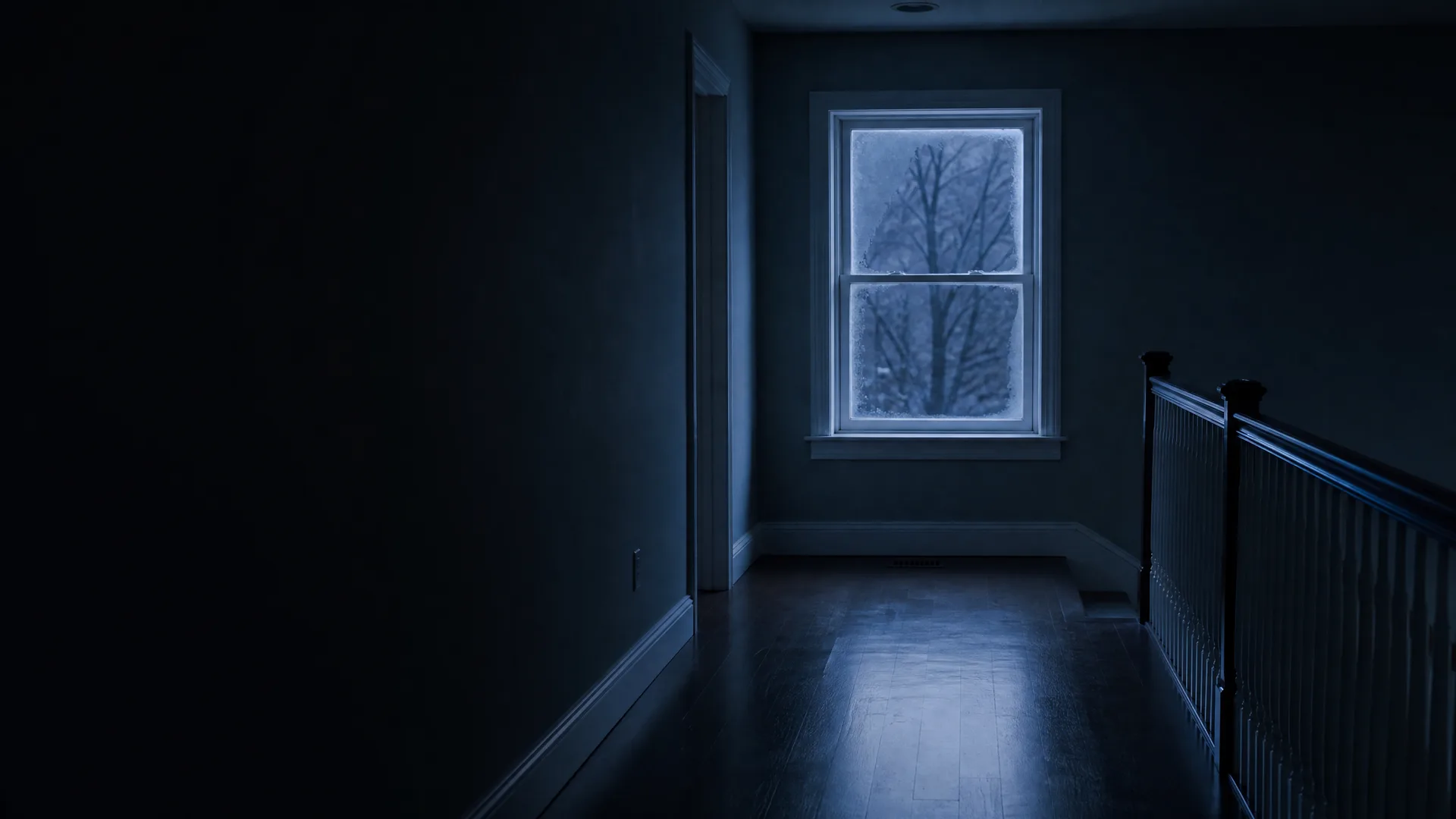
You wake up because the house feels wrong before you know why. It's a little past two. The hallway floor is cold under your feet, and the vent by the bathroom door isn't pushing anything, not even the usual low hum. Outside the window the yard is stiff with frost, and the glass itself has gone white at the edges. You stand there a second, waiting to hear the furnace kick back in. It doesn't. Somewhere below the house it tried, and quit, and now it's just quiet, the kind of quiet that gets louder the longer you listen to it, while the cold keeps coming up through the floor.
Winter nights average 28°F
At 28°F, your furnace is running long stretches to hold the house steady, not short bursts. A unit that shuts off partway through one of those stretches leaves the house losing ground fast on a night that cold.
NOAA nClimDiv 1991-2020
Before you get your furnace repairAfter you get your furnace repair
1
Thermostat calls for heat and the inducer motor starts
2
Pressure switch closes once airflow through the inducer is confirmed
3
Igniter heats up and the gas valve opens to feed the burners
4
Flame sensor confirms a steady flame within seconds of ignition
A furnace that keeps shutting off is telling you something is interrupting the cycle before it should end, and the fix depends on finding which part is doing it. That's a flame sensor, a pressure switch, a limit switch, or an inducer motor, and figuring out which one takes someone who sees this kind of failure through a Benton County winter and knows what tends to go first and why. A local contractor who works on furnaces all season has seen this pattern enough times to check the right part first instead of guessing through all of them while your house keeps losing ground on a cold night. You'll be connected with one contractor for this job, not a handful competing for your number, and that contractor is licensed to do the work and local to Rogers. The short cycling stops being a mystery once someone qualified is standing at the furnace with a meter in hand. That's the part you can't do from the hallway at two in the morning, and it's the part the page in front of you is here to get moving.
Furnace Repair
Send one request and you're done looking
Step 1 of 3: Equipment
Get matched with a pro who works on furnaces in Benton County.
A Benton County pro who repairs furnaces gets your request.
Get the furnace repair search off your mind today.
Once you send the form, finding a pro is off your list.
Explain the furnace problem once instead of to every shop in Benton County.
Skip calling shops to ask who repairs furnaces in Benton County.
A licensed pro who works in Benton County gets your request.
Your request goes to one pro, not a list of companies.