Tell us about the job
Takes about a minute. No obligation.
On a furnace repair call in Miller County, a contractor starts at the burner and ignition system before looking anywhere else. Homes in Miller County, AR run heat about five months a year, from November through March. That kind of cycling load lands hardest on the parts that fire and extinguish repeatedly, and cracks in the heat exchanger or a weakening igniter show up as fatigue, not random failure. A contractor who skips straight to a control board quote before inspecting the combustion side is pricing the wrong thing first.
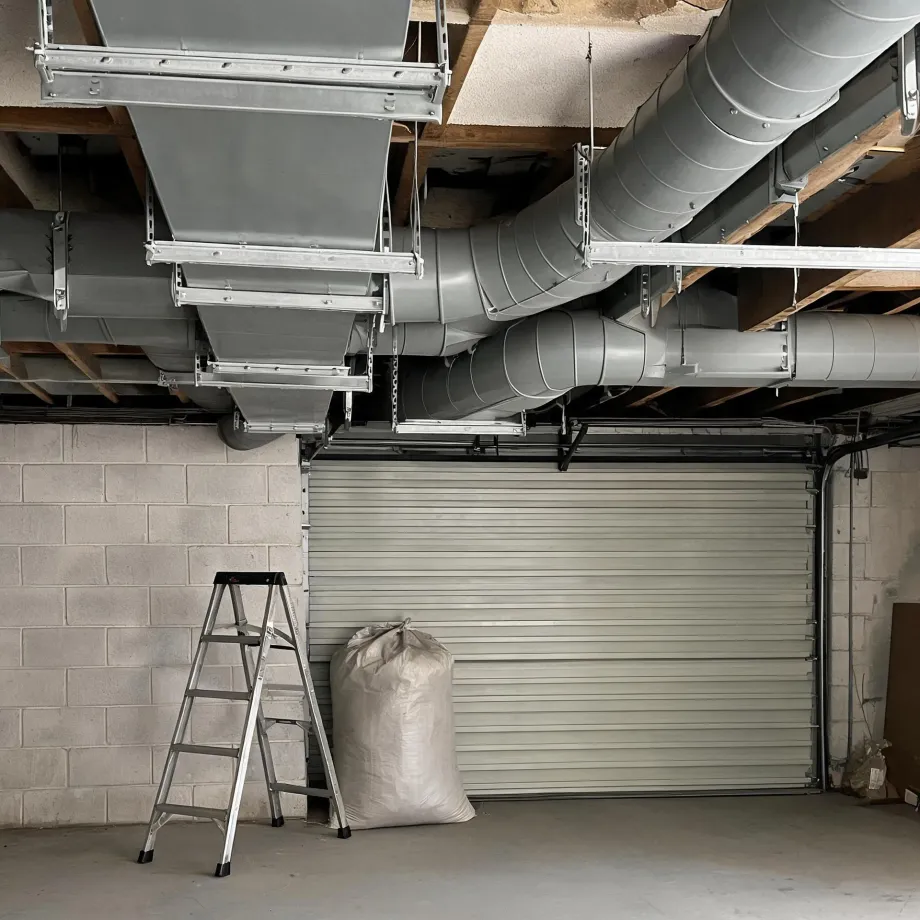
Furnaces running in houses this old are frequently on their second or third unit, which means the equipment a contractor opens may have outlasted its own parts catalog. Half the homes in Miller County, Arkansas were built in 1983 or earlier (2020-2024 ACS 5-year). A heat exchanger cracked at a seam, a gas valve that tests bad, a draft inducer motor running slow: each of those becomes a sourcing question before it becomes a repair quote. Some manufacturers still support older platforms; others do not, and that answer determines whether the job closes this week or waits on a specialty supplier.
The Parts of a Furnace a Contractor Checks First
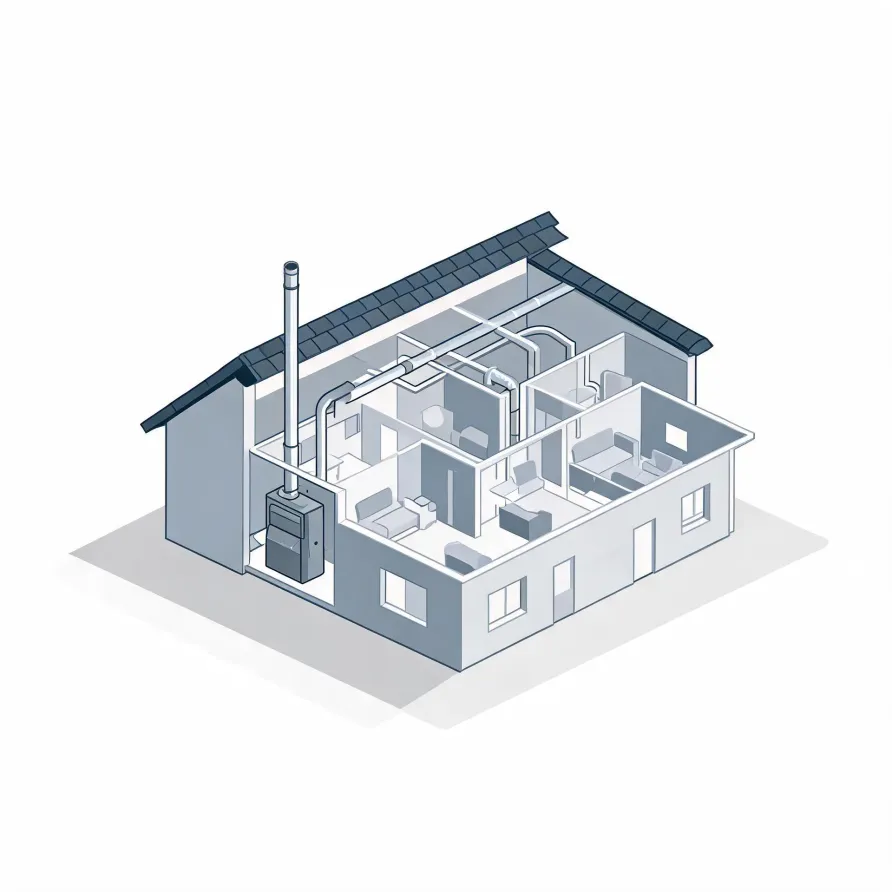
The furnace itself sits in a utility space, basement, or closet and is the piece a contractor goes to first. Inside it, the heat exchanger is the part most worth understanding: cracks or corrosion there are what cause a furnace to stop working safely. The burners, igniter, and flame sensor sit close to it and are common sources of no-heat calls.
The blower motor and its wheel push conditioned air out into the house and pull return air back in. The flue pipe runs from the furnace through the wall or roof and carries combustion gases out. The control board ties all of it together, reading sensors and telling each part when to run.
The drawing shows a typical layout, and a licensed contractor determines which components and conditions apply to your specific home.
Find a contractor in Miller CountyMiller County, Arkansas, by the numbers
91 severe weather events were recorded in Miller County, Arkansas between 2015 and 2024.
NOAA National Centers for Environmental Information, Storm Events Database, bulk CSV export, events 2015-01-01 through 2024-12-31.Half the homes in Miller County, Arkansas were built in 1983 or earlier (2020-2024 ACS 5-year).
U.S. Census Bureau, 2020-2024 American Community Survey 5-Year EstimatesMiller County, Arkansas holds 19,844 housing units (2020-2024 ACS 5-year).
U.S. Census Bureau, 2020-2024 American Community Survey 5-Year EstimatesOwners occupy 64.4% of the occupied homes in Miller County, Arkansas (2020-2024 ACS 5-year).
U.S. Census Bureau, 2020-2024 American Community Survey 5-Year EstimatesCodes & Standards for Furnace Repair in Miller County, Arkansas6 sourced rules & standards
What the Repair Visit Looks Like
Non-weatherized gas furnaces manufactured on or after November 19, 2015 must reach 80.0 percent AFUE.
Non-weatherized oil-fired furnaces manufactured on or after November 19, 2015 must reach 83.0 percent AFUE.
Mobile home gas furnaces manufactured on or after November 19, 2015 must reach 80.0 percent AFUE.
Non-weatherized gas furnaces manufactured on or after December 18, 2028 must reach 95.0 percent AFUE, up from the 80.0 percent minimum that applies to units manufactured before that date.
What Miller County, Arkansas Requires for HVAC Repair Work
An Arkansas HVACR licence is good across the state: no city or county may require its own licence to do HVACR work, though local permits and inspections still apply.
Arkansas requires an HVACR licence or registration: it is unlawful to do HVACR work without the appropriate one unless the chapter exempts you.
Severe Weather Events in Miller County
Storms, temperature swings, and pressure cycling put real stress on furnace components over time. How hard local weather runs equipment shapes what repairs come up and how often.
91 severe weather events, 2015–2024. Source: NOAA National Centers for Environmental Information, Storm Events Database.