Furnace won't turn on in Little Rock, AR
Your request goes to a Pulaski County pro who takes furnace jobs.
Match me with a proWhy won't my furnace turn on?
Cold hits and you flip the thermostat up, but nothing happens. No blower, no flame, no click from the furnace at all. In Pulaski County, winter isn't the kind of thing you can wait out, and when a gas furnace goes quiet like this, it's usually one of a short list of things, not a mystery.
Most likely a tripped switch, a thermostat issue, or the igniter
Start with the easy ones. Check that the thermostat is set to heat and the temperature is above room level, and check the breaker for the furnace along with the switch that looks like a light switch near the unit, often mounted on or near the furnace itself. Most homes in this area heat with gas, and a gas furnace needs power to run its control board and blower even though the flame itself doesn't. If those check out, the problem is usually inside the furnace: a failed igniter, a flame sensor that won't let gas flow, or a safety switch that shut things down on purpose. None of these let the furnace run until they're fixed, and with cold weather here, that's not something to leave alone for long.




Why does a dead furnace matter so much in Little Rock
Winter nights average 33°F
Overnight lows sit around 33°F through December, January and February, so a furnace that won't start can leave a house cold fast, not just chilly.
Heat runs November through March
Heat runs November through March here, about five months. A furnace that quits in January isn't a weekend problem you can put off.
50.2% of homes heat with gas
Just over half of Pulaski County homes, 50.2%, heat with gas. If yours is one, a furnace that won't fire is usually the igniter, the gas valve, or the flame sensor, not the thermostat.
NOAA nClimDiv 1991-2020 · ACS 2020-2024
If the thermostat is the problem
Set the thermostat a few degrees above room temperature and listen for a click. Nothing at all, no click, no hum, no light on the display, points to the thermostat itself or the wiring behind it, not the furnace. Dead batteries will do this. So will a breaker that tripped without you noticing. Check that the display is lit and set to heat, not just on. If the screen is blank, replacing the batteries is worth trying before anything else. A furnace with a bad thermostat is otherwise fine. The blower, the igniter, the gas valve, all of it can be in working order and still never get the signal to start.
If the furnace itself is the problem
If the thermostat is lit, set correctly, and still nothing happens at the furnace, the problem has moved past the thermostat. A pilot light that won't stay lit, an igniter that doesn't glow, or a blower that never kicks on all point to the unit itself. Some furnaces show this through a blinking light inside the access panel, a code meant for whoever opens it up next. This isn't a batteries-and-wait situation. Gas furnaces have a limited number of ways to fail safe, and most of them require someone to open the cabinet and test parts directly. A contractor can read that blinking code and go straight to what it means.


How the start sequence works
- Most gas furnaces here run through a set order: thermostat call, inducer motor starts, igniter glows or clicks, gas valve opens, flame sensor confirms the flame.
- The inducer motor has to prove it's pulling air through the vent before the igniter gets power, so a stuck or failed inducer stops everything before you even see a spark.
- A flame sensor coated with soot can't tell the control board a flame exists, so the furnace shuts the gas valve back off within seconds of lighting.
- Furnaces built with hot surface igniters use a fragile ceramic strip that cracks with age and simply won't glow, leaving the gas valve with no signal to open.
- A furnace that cycles power on and clicks but never fires is usually failing one step in that sequence, not the whole system at once.
- Pressure switches tied to the inducer motor can stick closed or open from dust or a blocked vent pipe, and the control board reads that as a reason not to start.
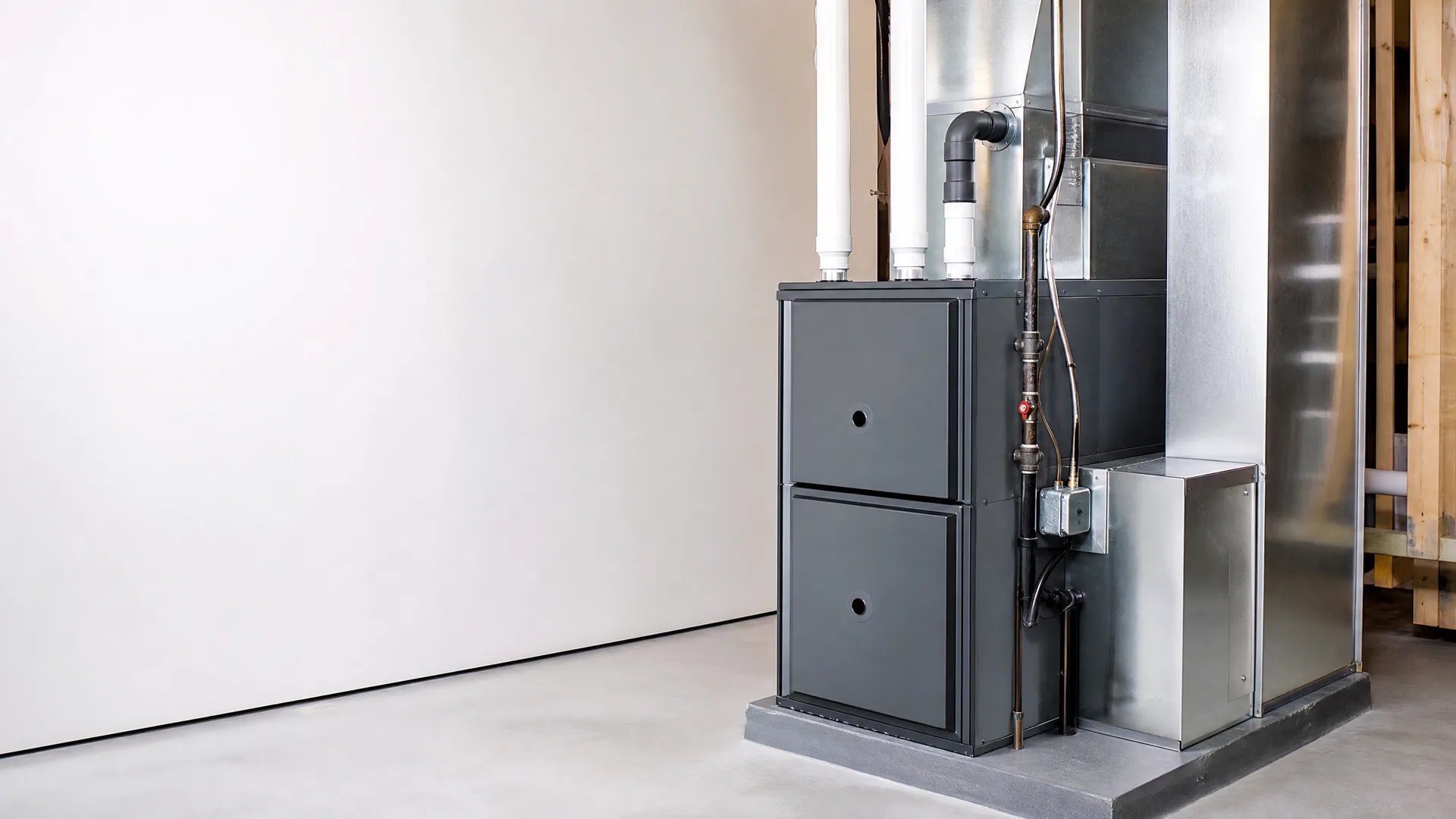
A gas furnace doesn't just light when you raise the thermostat. It moves through steps, in order, and every step has to pass before the next one happens. The thermostat sends a call for heat to the control board. The board turns on the inducer motor first, the small blower that pulls combustion air through the heat exchanger and out the vent pipe. A pressure switch has to sense that air moving before the board will do anything else. Once that switch closes, the igniter gets power, either glowing hot or sparking depending on the furnace, and after a few seconds the gas valve opens. Gas hits the igniter and lights. Then the flame sensor, a thin metal rod sitting in the flame itself, has to detect that fire and tell the board it's really burning. If it doesn't, the board shuts the gas valve again, usually within a few seconds, whether or not you saw a flame at all.
Most no-start calls trace back to one of these steps failing, not the whole system quitting at once. A furnace that hums but never fires, clicks but goes dark, or lights and immediately cuts out is telling you something specific about where in that sequence it stopped. Knowing the order helps make sense of what a furnace is doing when it won't start, even before anyone opens the panel.
Winter nights average 33°F
At 33°F, a house with no furnace running sheds heat fast once the sun goes down. A short wait to troubleshoot can turn into a cold bedroom by morning if nothing gets the furnace running again before bed.
NOAA nClimDiv 1991-2020
A furnace that won't start doesn't fix itself by morning. Whatever stopped it tonight is still stopped tomorrow, and the house keeps losing the heat it already has.
Pipes run through walls and under floors that aren't built to sit in freezing air for long. The longer a furnace stays dead at 33°F, the more that risk moves from unlikely to real.


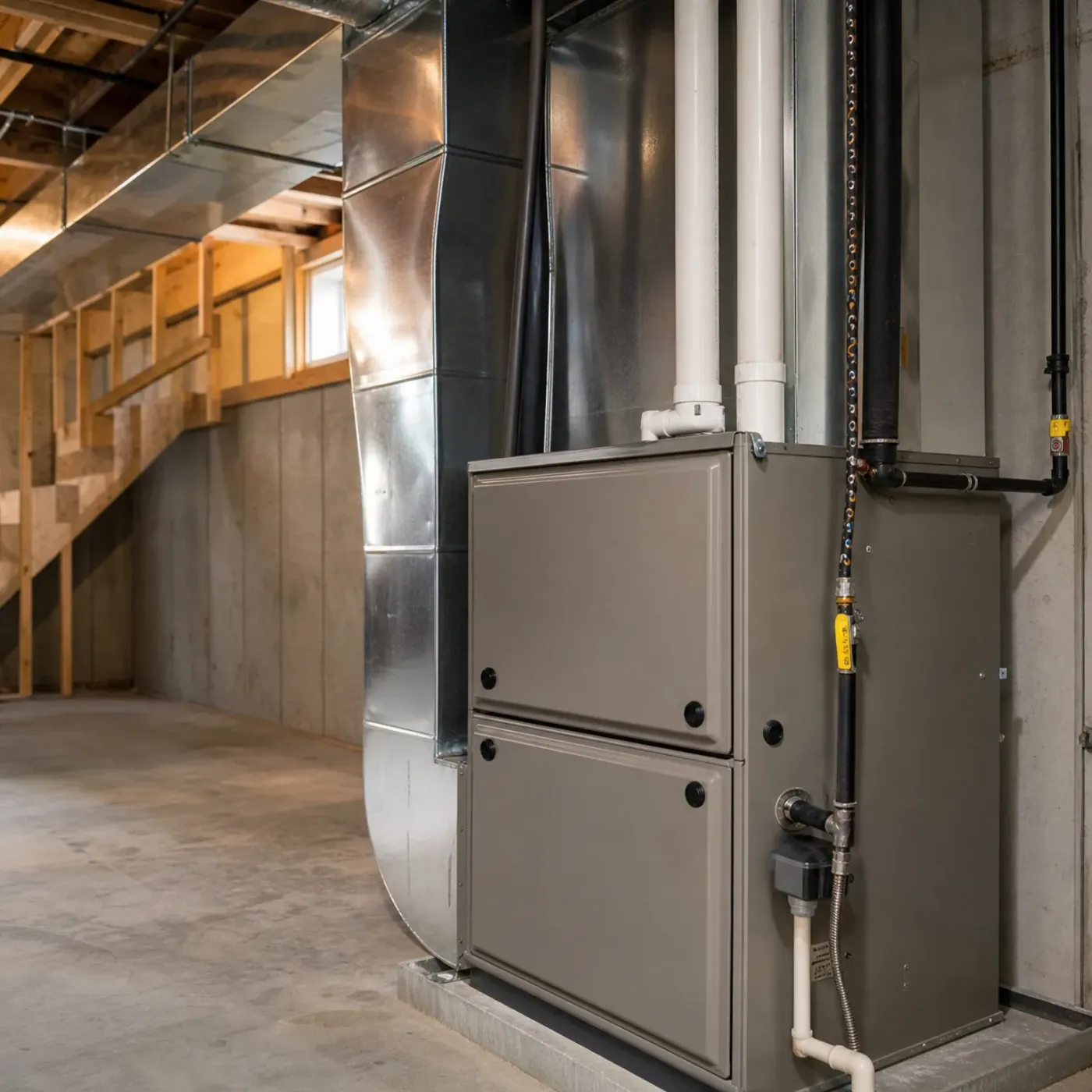
Get matched with a furnace pro in Pulaski County
After you send the request, you're done searching.
Get matched with someone who does this kind of work in Pulaski County.
It costs nothing to send, and you don't have to hire anyone.


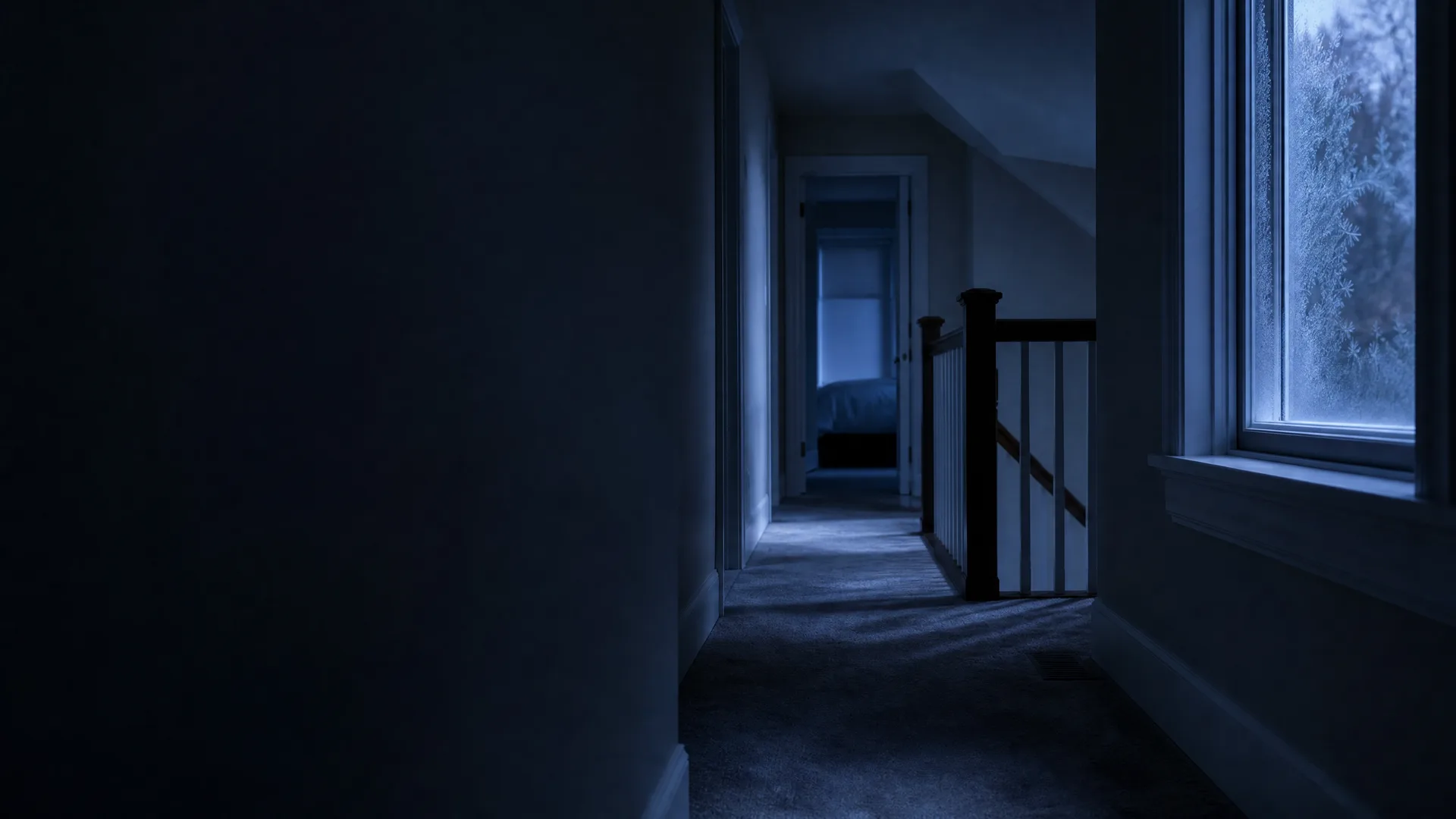
It's 2 a.m. and the house is too quiet. You're awake because the back bedroom felt off an hour ago, and now you're standing in the hallway in socks, looking at the vent in the floor. No air moving. No sound from downstairs where the furnace sits. You crouch down and hold your hand near the grate anyway, like it might prove you wrong. The window at the end of the hall has frost climbing the corners, and outside the thermometer's sitting somewhere near freezing, same as it has most nights this January. You go back to the thermostat and bump it up two degrees, waiting for the click that isn't coming.

What a dead furnace does to your house
Right now your thermostat is set and your furnace isn't answering it. That means every room is losing whatever heat it has left, and nothing is replacing it. The back bedrooms go first, especially ones over a crawl space or far from the thermostat itself. By morning the gap between what the thermostat reads and what the house actually feels like can be wide.
You don't have to figure out whether it's the igniter, the gas valve, or a wiring problem behind the thermostat before you ask for help. Send in what's happening, flip breakers checked, batteries checked, no response, and a contractor who works on furnaces around Pulaski County gets in touch to sort out the rest. That part stops being something you have to solve alone tonight.

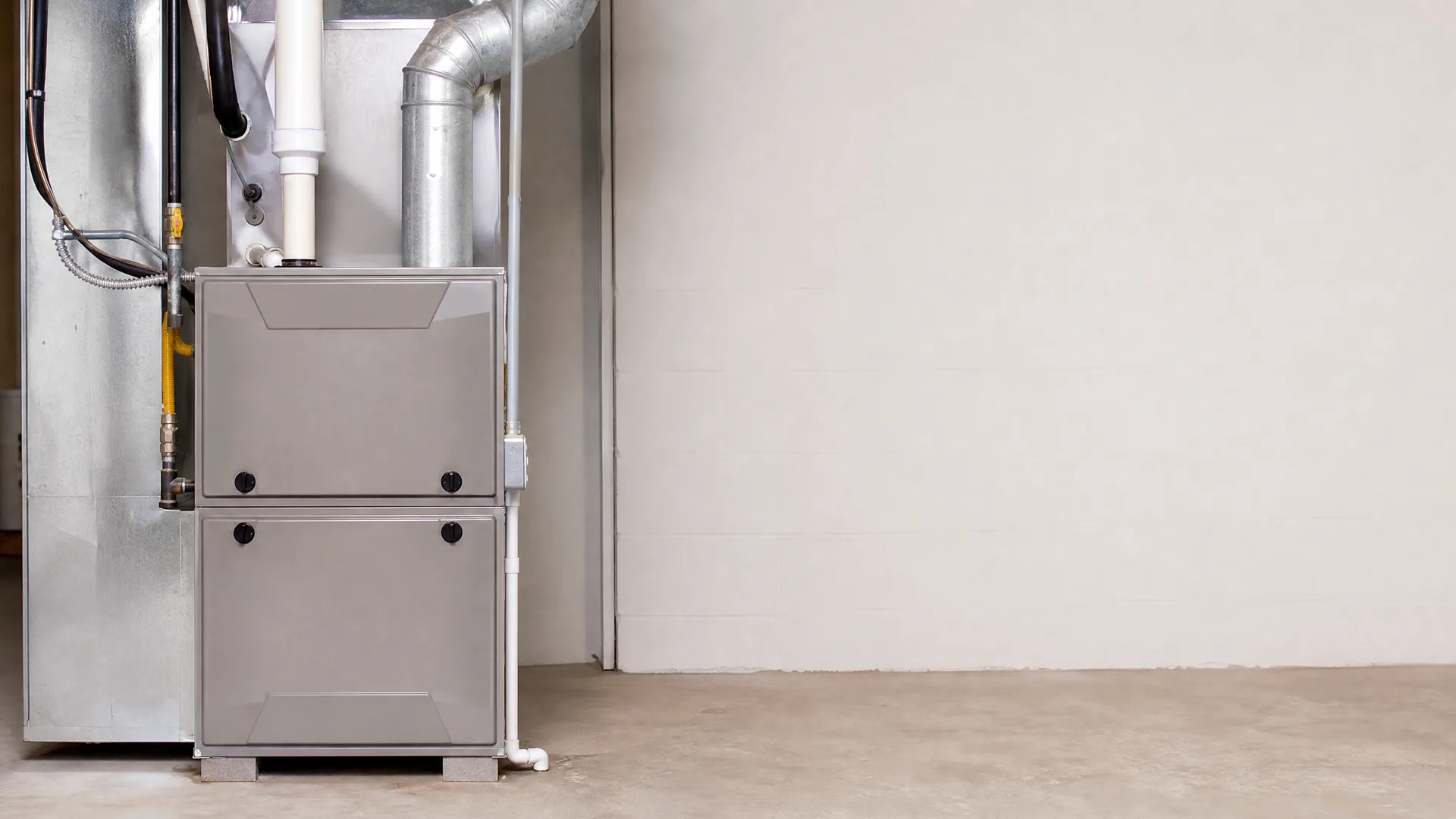
Waiting it out
The furnace stays quiet and you keep checking the thermostat, hoping it starts on its own. It doesn't, because whatever stopped it, a failed igniter, a tripped limit switch, a clogged vent, is still there an hour later. Meanwhile the house keeps losing heat it can't replace. Pulaski County nights in the 30s don't forgive a long wait, and a cold back bedroom at midnight is a colder one by 5 a.m.
Getting someone out
A contractor who works on furnaces in Little Rock can run through the startup sequence and find the one step that's breaking down, the inducer motor, the igniter, the gas valve, whatever it is. Once it's found, it gets fixed, and the furnace goes back to running the way it did before. You're not guessing anymore, and the house stops losing ground against the cold outside.
A furnace that won't start has a reason behind it, and that reason doesn't go away on its own. Maybe it's the thermostat, maybe the igniter, maybe a vent that's blocked. Whatever it is, somebody has to find it and fix it before the house warms back up. You don't have to be the one who figures out which part failed. Send the form and a licensed contractor serving Pulaski County takes it from there, working through the thermostat, the igniter, the inducer motor, the flame sensor, until the furnace is answering the thermostat again. That's one less thing for you to carry tonight. With lows around 33°F, a house that's lost its heat doesn't need guesswork, it needs someone who's done this before, in homes like yours, with the same gas furnace that's gone quiet in a hundred other houses across this county this winter.

Find a furnace repair pro in Pulaski County