
One bang, ignored
You turn the furnace down and go on with your night. The gas kept pooling before it lit, and the next startup flexes that heat exchanger again.
A bang when your furnace fires up is loud enough to bring you into the hallway to check on it. Most homes in Arkansas heat with electricity, so that sound catches people off guard since they expect gas furnace trouble, not something from an electric system. You want to know if it's the kind of noise that means a part is about to fail, or something you can live with until it gets checked out.
If your furnace runs on gas, a bang at startup often means gas is building up for a second before it lights, then catching all at once. That points to a dirty igniter or burner that needs a look before it gets worse. If your furnace is electric, which is common in Arkansas, the sound is more likely metal ductwork popping as it heats up and expands, especially in a section that was cut or hung a certain way. One points to a part wearing out. The other is more about how the ducts were built. Either way, a noise that happens every time you turn the heat on is worth having a contractor trace to its source.
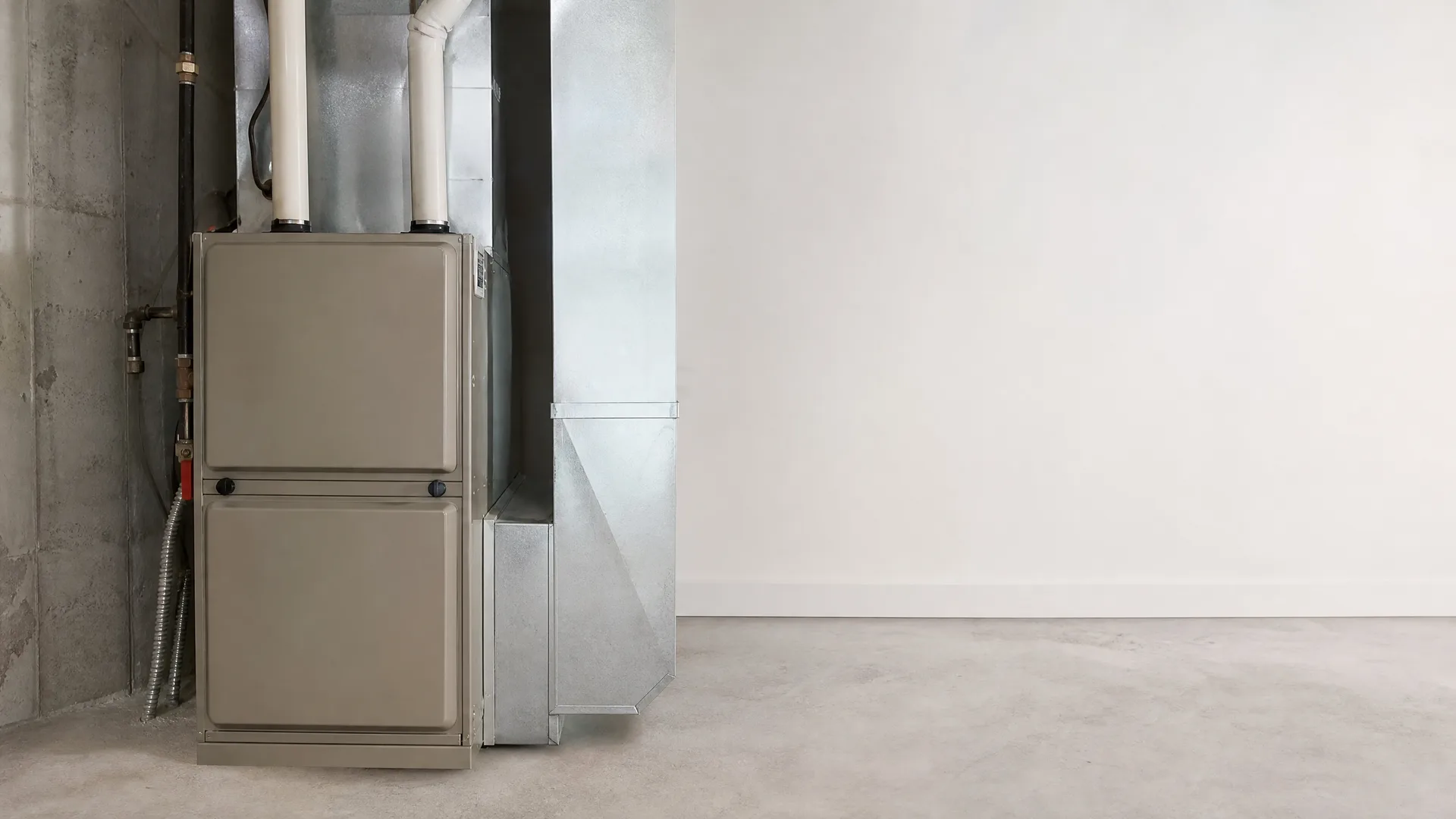
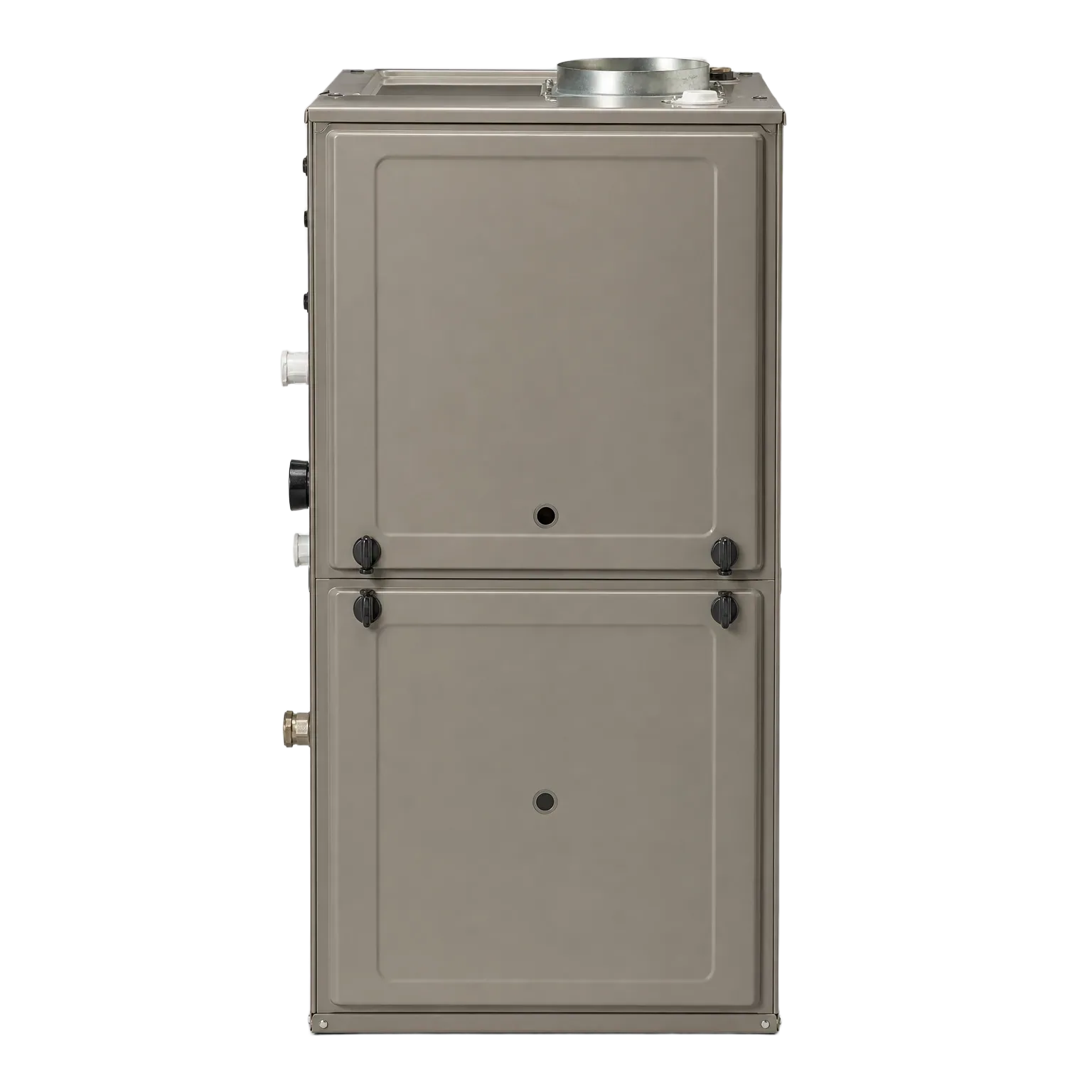
If your furnace runs on gas, the burners are supposed to light the instant the igniter glows. When they light late, gas has already gathered in the burner chamber, and it ignites all at once instead of catching steadily. That small delayed flash is what you hear as a bang. A dirty flame sensor or a weak igniter is usually behind the delay, and a contractor can check both in one visit.
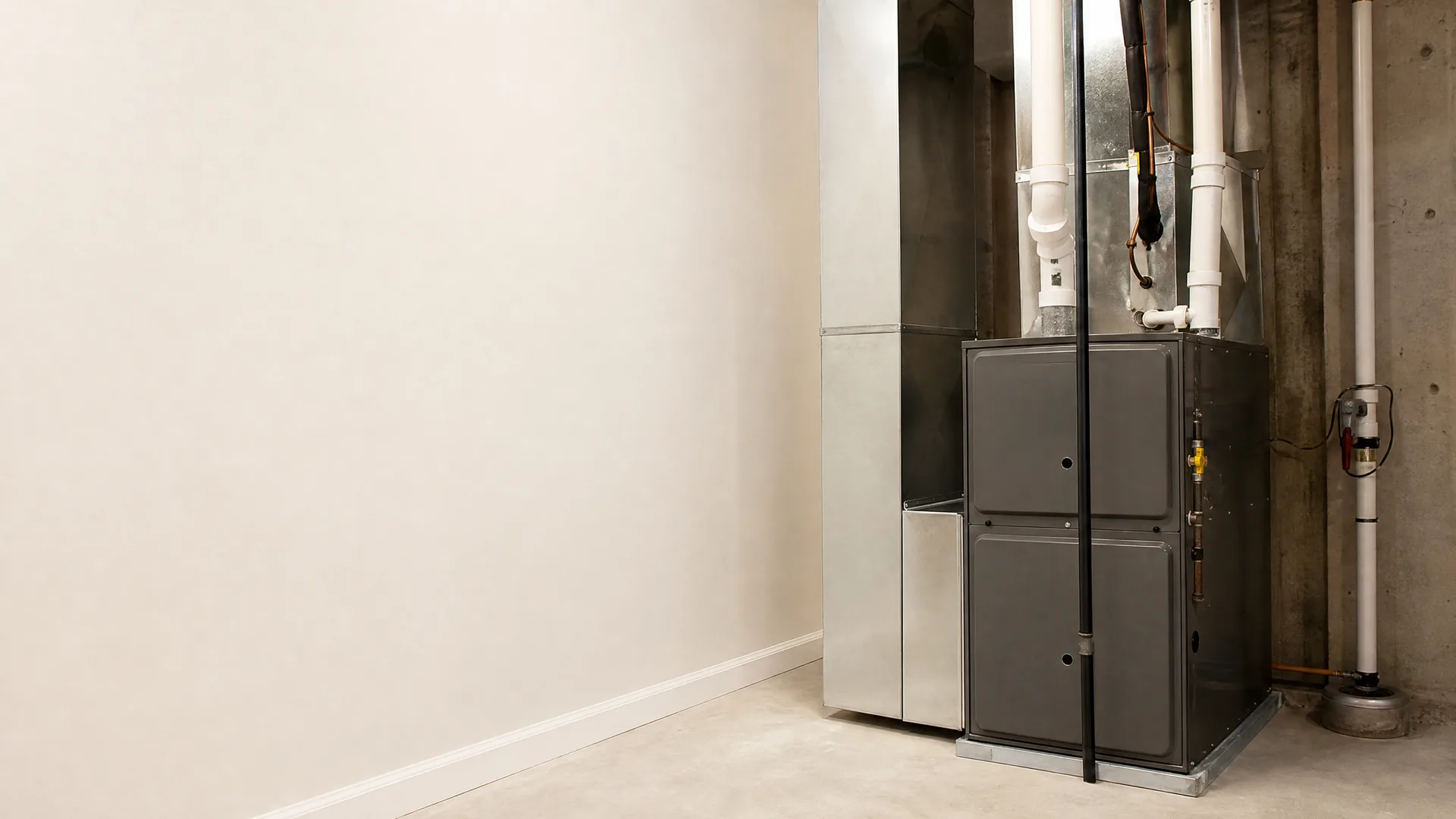
Sheet metal ducts shift shape as warm air moves through them. They expand when your furnace starts and contract again once it shuts off, and if a section is loose or undersized for the airflow, that movement shows up as a bang or a pop near the vents. It often happens at the same point in the cycle every time, which is one way to tell duct movement apart from a burner problem.

A bang strong enough to hear from the hallway is a small blast happening inside sheet metal that was not built to take it. The heat exchanger sits right where that force lands. Each time it bangs, the metal flexes a little more than it should, and a crack can start where none existed before. Once that crack is there, it does not close back up on its own.
You will not see the crack from outside the cabinet, and you should not go looking for it yourself. What you can watch for is whether the bang happens every time the furnace starts or just once in a while, and whether it is getting louder. That pattern is worth describing to whoever looks at it, because it tells them where to check first. Send in what you are hearing and a contractor who handles this in your area will follow up to take it from there.

Gas flows into the burner chamber before ignition.
The igniter glows but the burners catch late.
Built-up gas lights all at once with a bang.
The blast flexes the metal around the heat exchanger.




You turn the furnace down and go on with your night. The gas kept pooling before it lit, and the next startup flexes that heat exchanger again.
A contractor looks at the burners and the igniter timing. If the delay is caught early, the heat exchanger never takes another hit.




One request and the search for a pro is handled.
Sending the form costs nothing.
A furnace that bangs on startup usually still runs. It heats the house, the thermostat reads the right number, and the bang becomes background noise after a few cold mornings. Nothing about the furnace looks broken from where you're sitting. But the delayed catch that causes the bang doesn't fix itself, and it doesn't stay the same size either. The same flaw in the igniter timing or the burners that caused last week's bang is still there, waiting for the next cycle. Arkansas winters run long enough that a furnace left alone this way can fire that way hundreds of times before spring, each one landing on the same stressed metal.
A contractor checking a banging furnace is looking for one thing: why the burners are catching late instead of right when the igniter glows. That could be a dirty flame sensor, a bad igniter, or burners that need cleaning. None of it takes guesswork once someone is in front of the unit with the panel off. Once you send in a request, a contractor who handles this gets back to you, and finding the right person for the job is off your plate. Catching it before the next stretch of cold weather means the furnace fires the way it's supposed to for the rest of the winter, without that bang every time it starts.
Winter nights here average 32°F, right at freezing, so your furnace is cycling on and off most of the night rather than running once and holding. Each startup is another chance for gas to pool before the burners catch, which is when that bang happens.
NOAA nClimDiv 1991-2020 county normals weighted by homes
A furnace that is catching right makes a soft whoosh when the burners light, then settles into a low hum. You might hear it from the next room, not from down the hallway. The igniter glows, the gas reaches it right away, and the flame holds steady from the first second. No pause, no pooling, no bang. Over a winter of cycling on and off most nights, that furnace is putting the same small, steady load on the heat exchanger every time, which is what that metal was built to handle year after year.
A furnace with a late catch gives you a pause after the igniter glows, then a bang loud enough to notice from another room. That gap is gas gathering in the burner chamber before it finally lights all at once. Some nights it is a sharp knock. Other nights it is closer to a thud you feel through the floor. Either way it is happening at every startup, not just once, and with freezing nights keeping the furnace cycling on and off, that bang is repeating far more often than a single evening would suggest.


A furnace that bangs on startup is telling you the burners are catching late, and that won't fix itself. It will keep flexing the heat exchanger every time the thermostat calls for heat, and on a 32°F night that's a lot of startups. A contractor can check the igniter timing and the burners and get that ignition back to even, before the metal takes any more of it. Once you send the form, you're done hunting for who to call. Someone who handles this in Arkansas gets matched to you, and reaching out is on them, not you. You've already done the part that mattered, which was noticing the sound and taking it seriously instead of turning the thermostat down and hoping it quiets on its own.




Send it once and finding someone is no longer on you.
You're not committing to anything by asking.