Tell us about the job
Takes about a minute. No obligation.
Sizing a furnace for a Jackson County house is not a step a contractor skips or estimates loosely. Homes in Jackson County, AR run heat about seven months a year, from October through April. The burner, the heat exchanger, and the ignition system carry that load every year, cycling on and off through months of cold without much idle time to spare. A furnace that is undersized for the house runs longer per cycle and recovers less between calls for heat, which accelerates wear on the components that already work hardest. A contractor quoting a replacement here establishes the correct output for the structure before anything else gets priced.
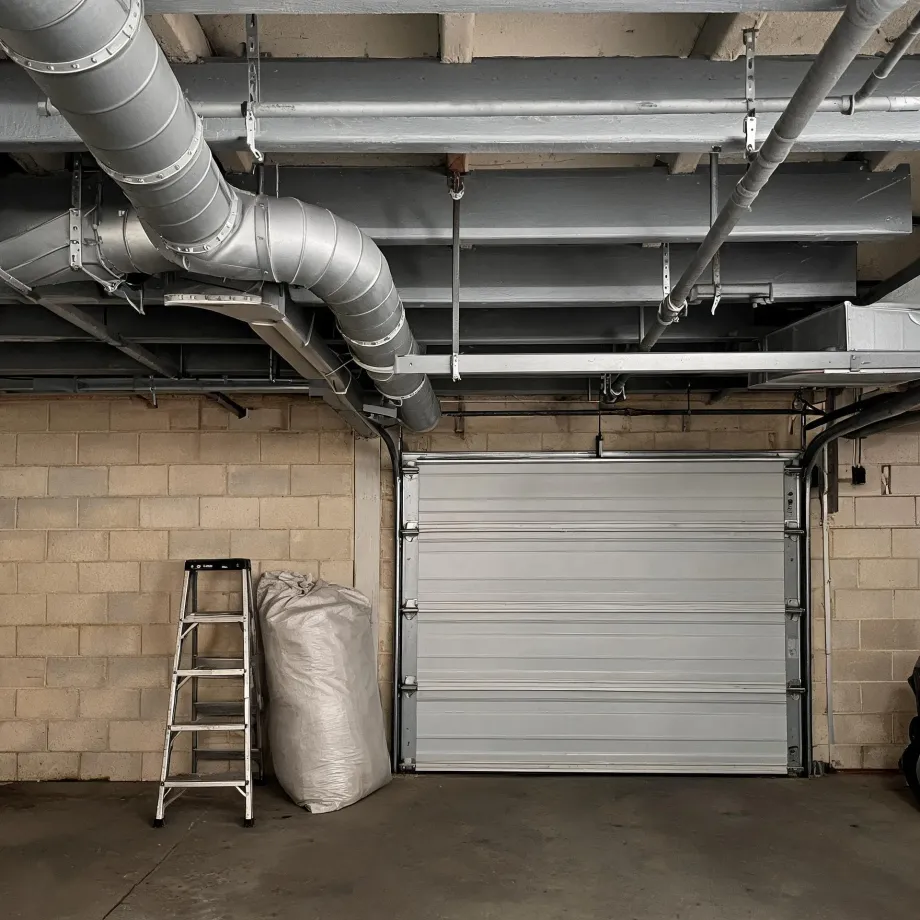
Ductwork sized and routed for systems that have since been replaced at least once is what a contractor runs into across much of this county's housing. Half the homes in Jackson County, Arkansas were built in 1974 or earlier (2020-2024 ACS 5-year). That history matters for a furnace installation because the ducts already in the house were built around loads, pressures, and configurations that may not match what a new unit requires. A contractor who finds the duct layout incompatible with the new furnace's airflow needs either modifies the runs or prices a replacement alongside the unit itself. The electrical service gets the same look, since panels in houses of this vintage were sized for a different set of demands than a modern furnace draws.
What a Furnace Installation Covers
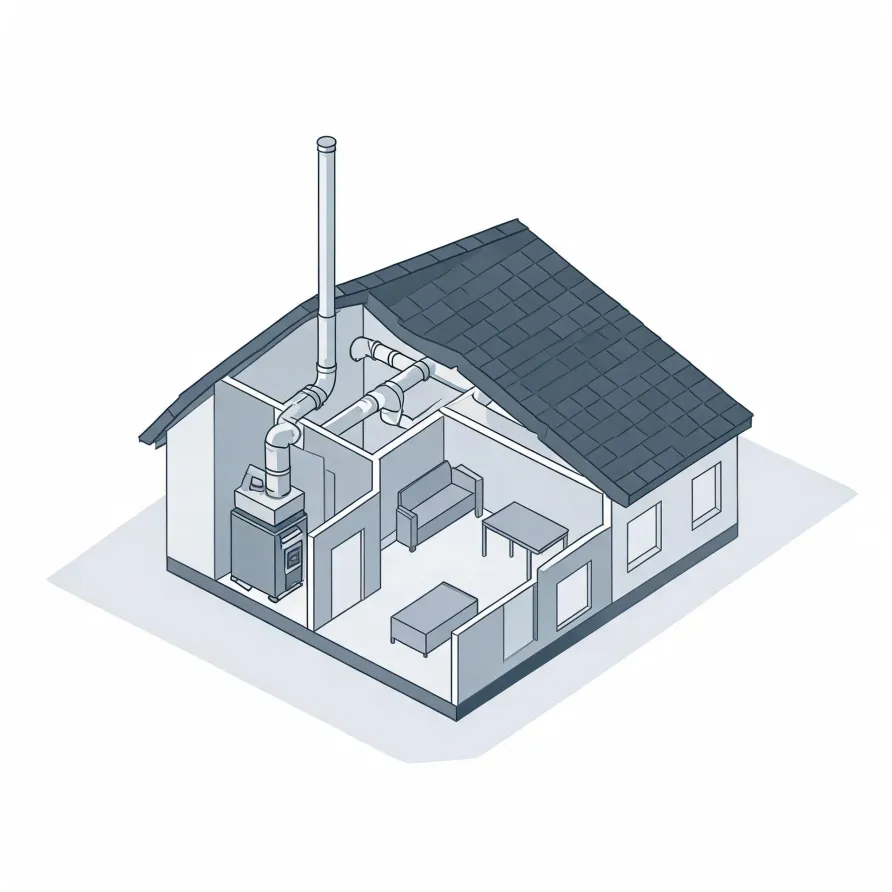
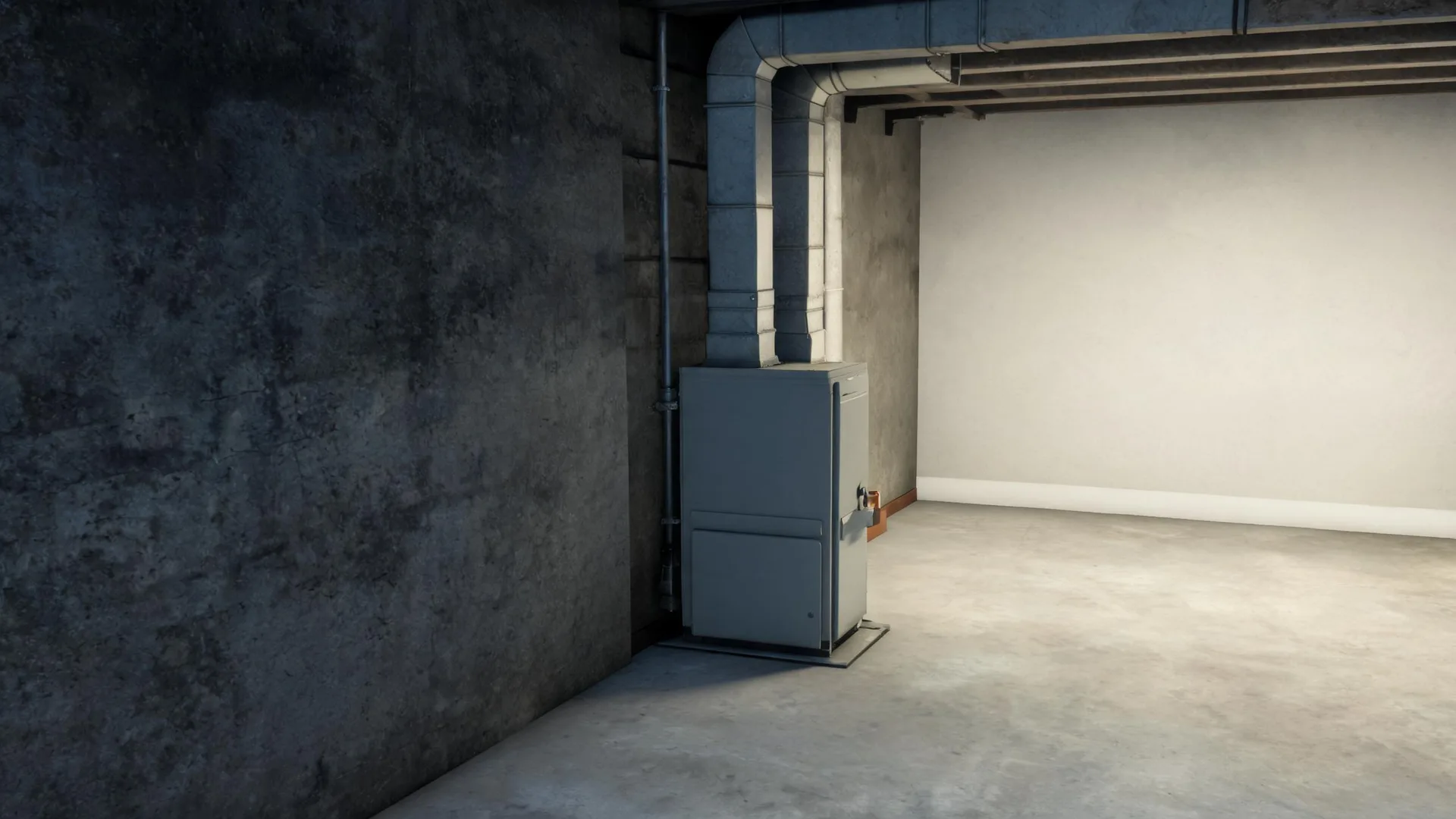
The furnace itself sits in a mechanical room, basement, or utility closet and is the piece doing the heating work. A contractor mounts the unit, connects it to the gas supply, and sets the flue or venting that carries combustion gases out of the house. That is the core of what a new installation puts in place.
The thermostat goes on an interior wall where it reads the air temperature and tells the furnace when to run. The air handler components inside the furnace cabinet move conditioned air into the duct system, and the contractor ties those connections together so the system works as a single unit.
The drawing shows a representative layout, and a licensed contractor determines what the work involves in your specific home.
Find a contractor in Jackson CountyJackson County, Arkansas, by the numbers
69 severe weather events were recorded in Jackson County, Arkansas between 2015 and 2024.
NOAA National Centers for Environmental Information, Storm Events Database, bulk CSV export, events 2015-01-01 through 2024-12-31.Half the homes in Jackson County, Arkansas were built in 1974 or earlier (2020-2024 ACS 5-year).
U.S. Census Bureau, 2020-2024 American Community Survey 5-Year EstimatesJackson County, Arkansas holds 7,095 housing units (2020-2024 ACS 5-year).
U.S. Census Bureau, 2020-2024 American Community Survey 5-Year EstimatesOwners occupy 65.5% of the occupied homes in Jackson County, Arkansas (2020-2024 ACS 5-year).
U.S. Census Bureau, 2020-2024 American Community Survey 5-Year EstimatesFurnace Installation Rules That Apply in Jackson County, Arkansas6 sourced codes and standards
What the Installation Actually Looks Like
Non-weatherized gas furnaces manufactured on or after November 19, 2015 must reach 80.0 percent AFUE.
Non-weatherized oil-fired furnaces manufactured on or after November 19, 2015 must reach 83.0 percent AFUE.
Mobile home gas furnaces manufactured on or after November 19, 2015 must reach 80.0 percent AFUE.
Non-weatherized gas furnaces manufactured on or after December 18, 2028 must reach 95.0 percent AFUE, up from the 80.0 percent minimum that applies to units manufactured before that date.
Licensing Rules for Jackson County, Arkansas
An Arkansas HVACR licence is good across the state: no city or county may require its own licence to do HVACR work, though local permits and inspections still apply.
Arkansas requires an HVACR licence or registration: it is unlawful to do HVACR work without the appropriate one unless the chapter exempts you.
Severe Weather Events in Jackson County
Weather in this part of Arkansas puts real demands on heating equipment, and those demands vary by location. A furnace sized and installed for local conditions holds up better than one spec'd to a regional average.
69 severe weather events, 2015–2024. Source: NOAA National Centers for Environmental Information, Storm Events Database.