Tell us about the job
Takes about a minute. No obligation.
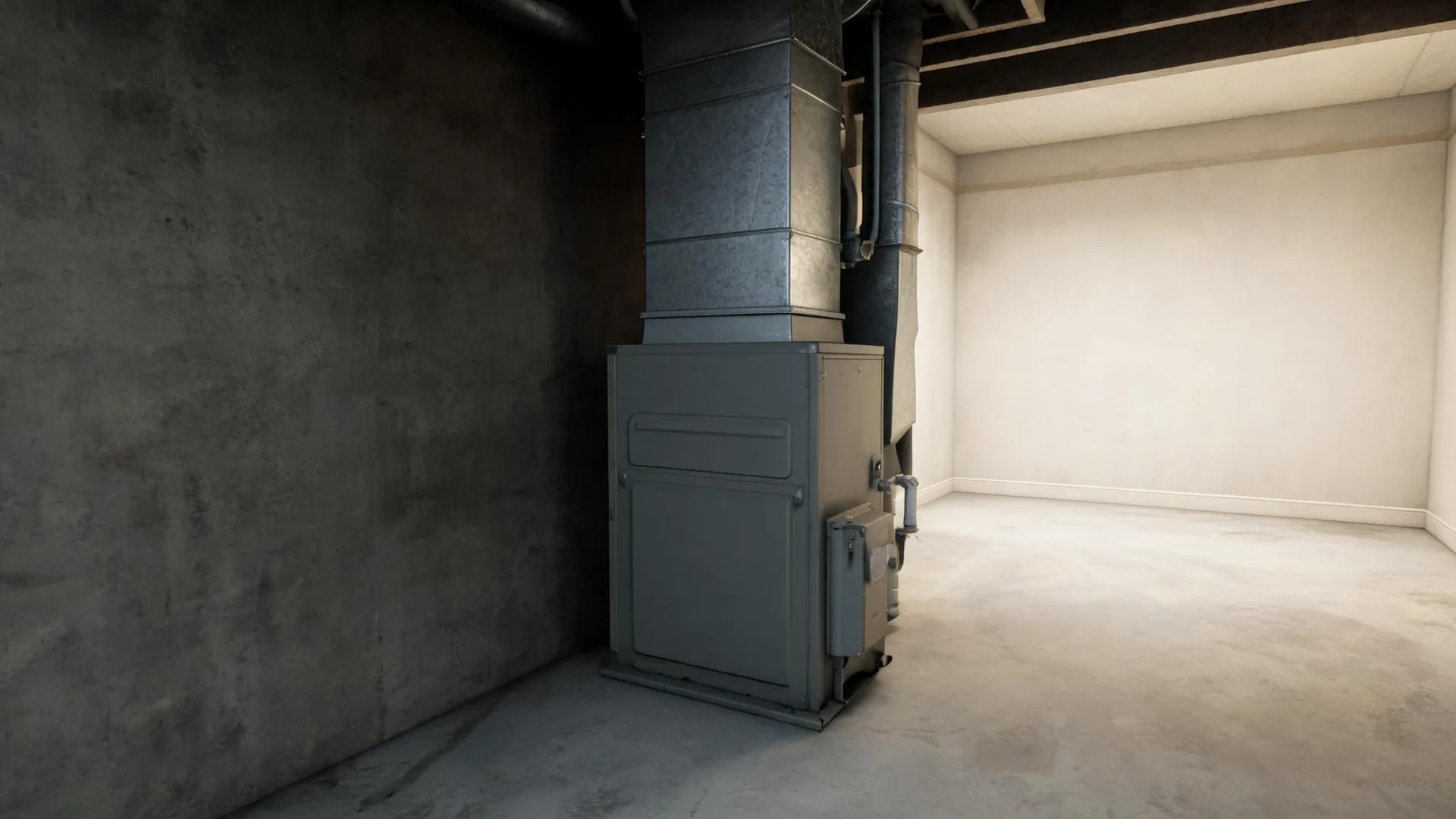
A furnace repair in Ashley County starts with the parts that have been working. Homes in Ashley County, AR run heat about five months a year, from November through March. The burner, the heat exchanger, and the ignition system cycle through all of that, and those are the first things a contractor pulls apart when something goes wrong. Cracks in a heat exchanger or a worn igniter do not announce themselves until the system is already failing. A contractor who skips straight to the control board or the blower motor before checking the combustion side is working in the wrong order for this county.
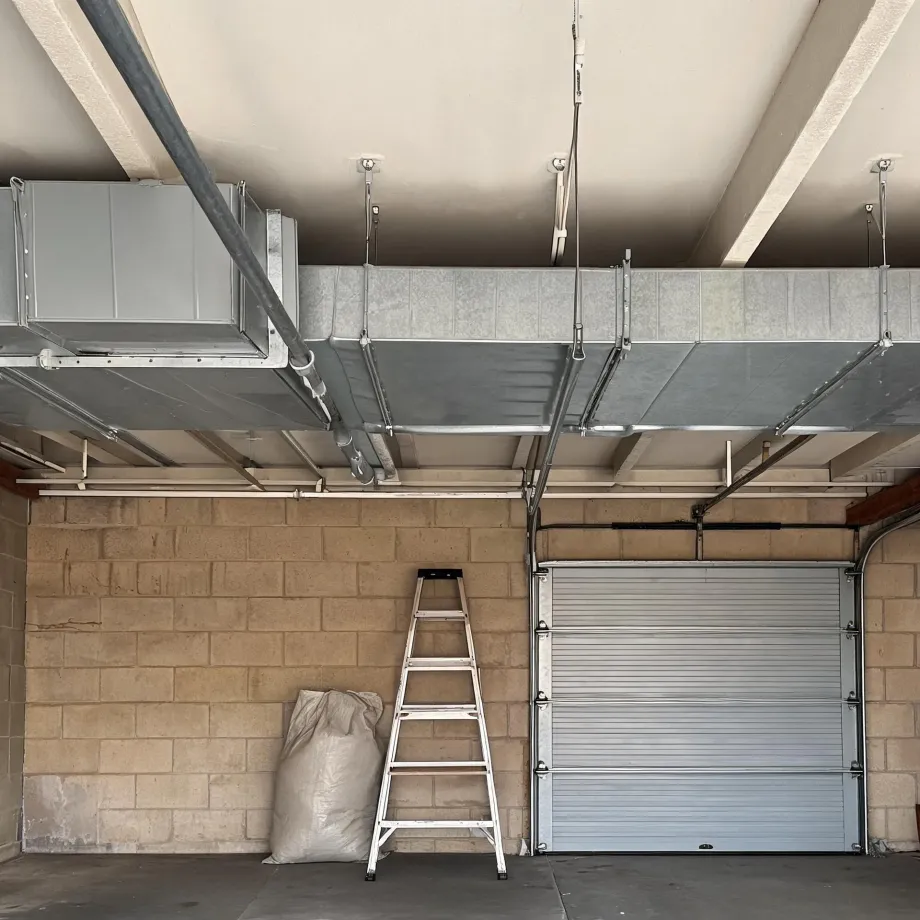
Older furnaces in housing stock like this pull from parts catalogs that have thinned considerably since the original install. Half the homes in Ashley County, Arkansas were built in 1977 or earlier (2020-2024 ACS 5-year). A contractor opening a heat exchanger or a gas valve here may find a component whose replacement is a special order, a substitute fit, or simply unavailable. That reality shapes the repair quote before labor is even on the table.
The Parts of a Furnace a Contractor Checks First
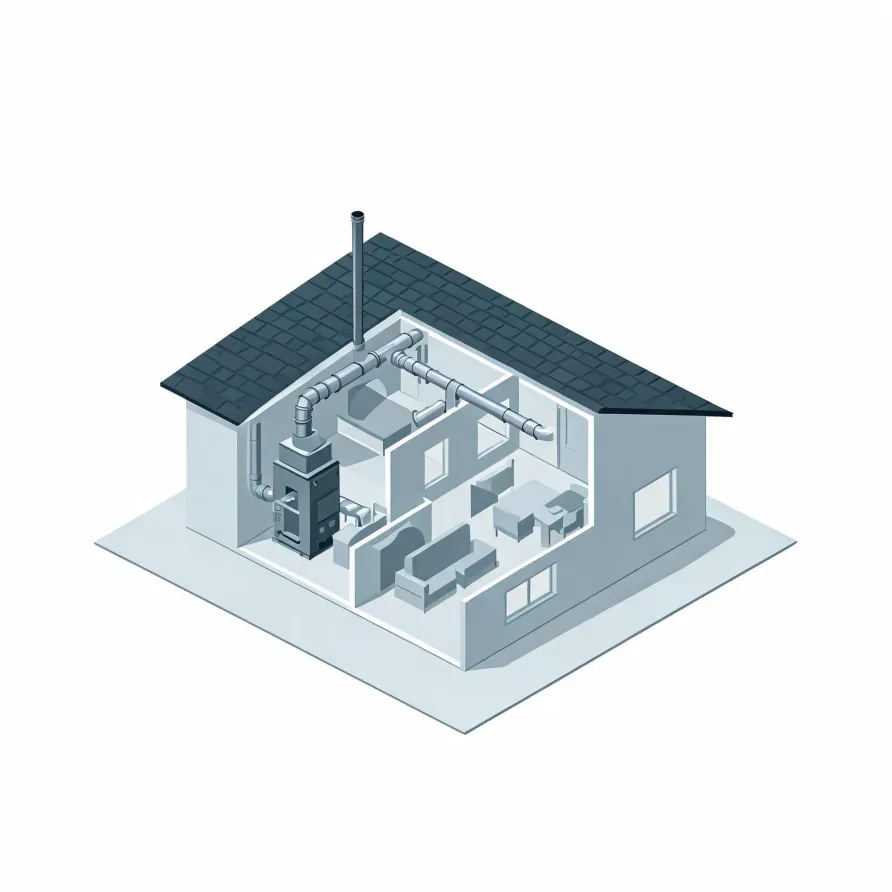
The furnace itself sits in a utility space, basement, or closet and is the piece doing the most work. Inside it, the heat exchanger and burner assembly are where a contractor looks when the system stops producing heat or starts behaving strangely. A cracked heat exchanger, a failed ignitor, or a dirty burner are common sources of trouble.
The blower motor pushes conditioned air out through the supply side of the duct system and draws return air back in. The flue or vent pipe runs from the furnace to an exterior wall or roofline and carries combustion gases out of the house. The thermostat and the control board coordinate all of it, and either one can be the point of failure when the furnace runs erratically or not at all.
The drawing shows the general layout of these components, and a licensed contractor will determine what applies to the specific equipment and configuration in your home.
Find a contractor in Ashley CountyAshley County, Arkansas, by the numbers
94 severe weather events were recorded in Ashley County, Arkansas between 2015 and 2024.
NOAA National Centers for Environmental Information, Storm Events Database, bulk CSV export, events 2015-01-01 through 2024-12-31.Half the homes in Ashley County, Arkansas were built in 1977 or earlier (2020-2024 ACS 5-year).
U.S. Census Bureau, 2020-2024 American Community Survey 5-Year EstimatesAshley County, Arkansas holds 9,392 housing units (2020-2024 ACS 5-year).
U.S. Census Bureau, 2020-2024 American Community Survey 5-Year EstimatesOwners occupy 70.8% of the occupied homes in Ashley County, Arkansas (2020-2024 ACS 5-year).
U.S. Census Bureau, 2020-2024 American Community Survey 5-Year EstimatesCodes & Standards Governing Furnace Repair in Ashley County, Arkansas6 sourced rules & standards
What Happens When the Contractor Shows Up
Non-weatherized gas furnaces manufactured on or after November 19, 2015 must reach 80.0 percent AFUE.
Non-weatherized oil-fired furnaces manufactured on or after November 19, 2015 must reach 83.0 percent AFUE.
Mobile home gas furnaces manufactured on or after November 19, 2015 must reach 80.0 percent AFUE.
Non-weatherized gas furnaces manufactured on or after December 18, 2028 must reach 95.0 percent AFUE, up from the 80.0 percent minimum that applies to units manufactured before that date.
Licensing and Legal Requirements in Ashley County, Arkansas
An Arkansas HVACR licence is good across the state: no city or county may require its own licence to do HVACR work, though local permits and inspections still apply.
Arkansas requires an HVACR licence or registration: it is unlawful to do HVACR work without the appropriate one unless the chapter exempts you.
Severe Weather Events in Ashley County
Heating equipment works harder and fails faster when local weather puts sustained demand on it. How much of that pressure a furnace in Ashley County faces is a local fact, and it shapes what repair work looks like here.
94 severe weather events, 2015–2024. Source: NOAA National Centers for Environmental Information, Storm Events Database.