Tell us about the job
Takes about a minute. No obligation.
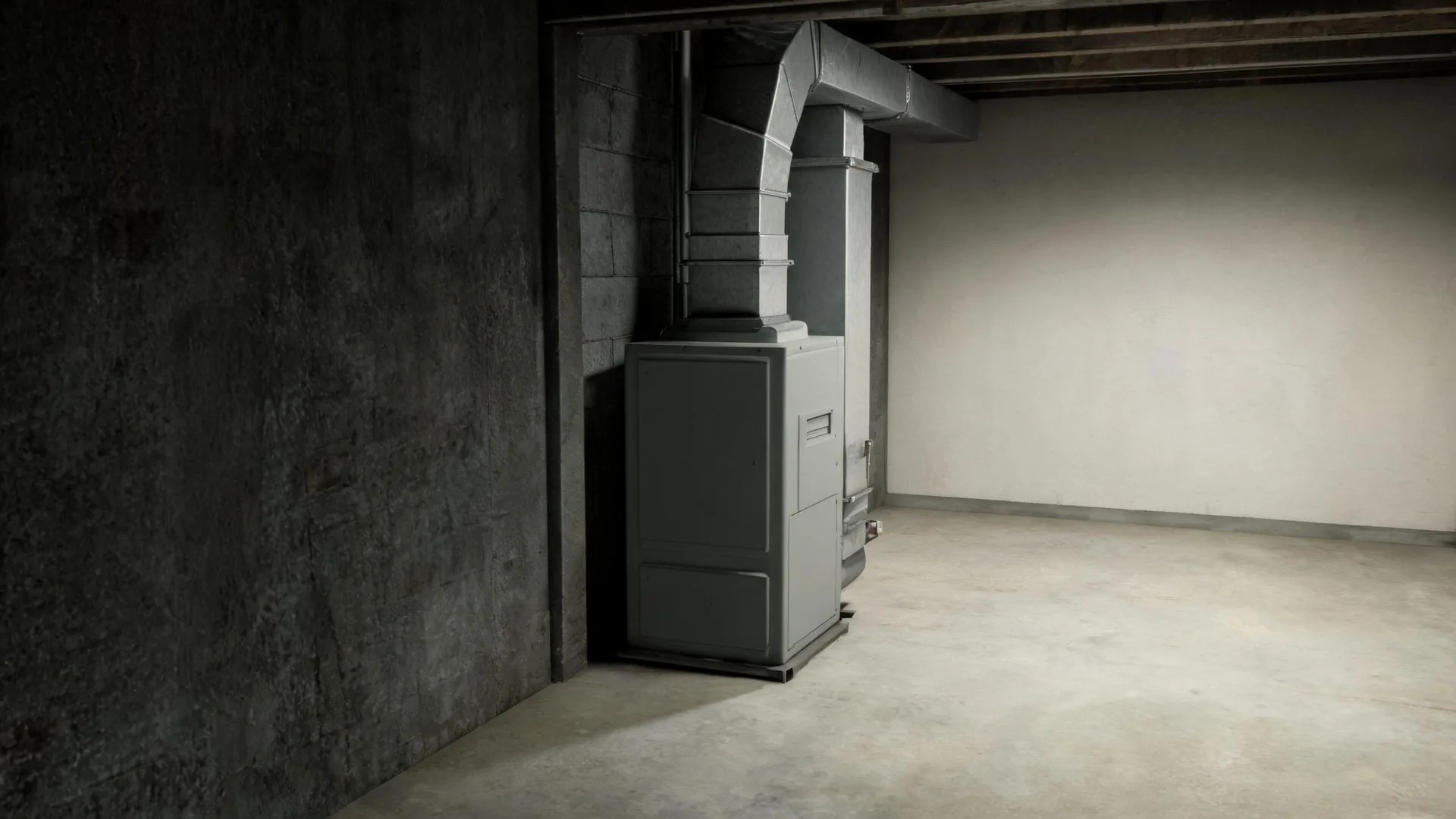
A furnace repair quote in Lee County starts with the burner and ignition system, because those are the parts that cycle hard every heating season and show it first. Homes in Lee County, AR run heat about five months a year, from November through March. The heat exchanger takes that same load, and cracks or fatigue there are what a contractor checks before pricing anything else. Blower motors and limit switches accumulate wear on the same schedule. A homeowner calling for a repair in March is calling at the end of the system's hardest stretch, and what a contractor finds reflects that.
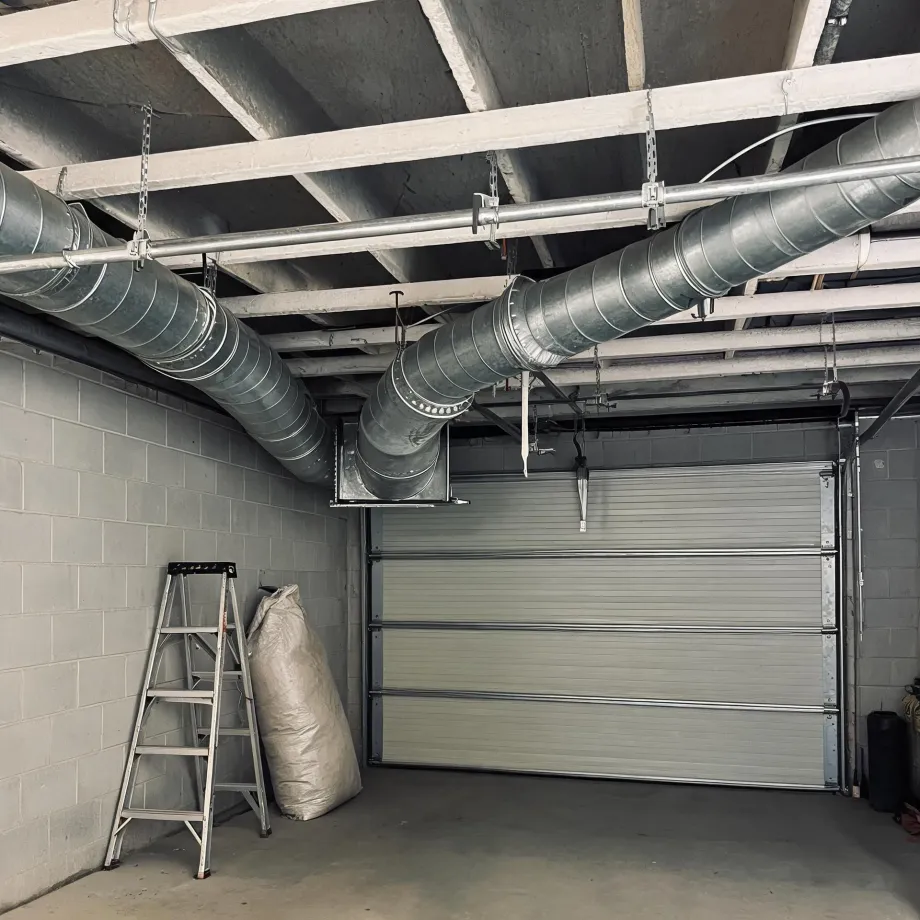
Furnaces in houses that old tend to outlive the parts catalogs written for them. Half the homes in Lee County, Arkansas were built in 1973 or earlier (2020-2024 ACS 5-year). A contractor who opens a unit here finds what the actual components are, not what the model number suggests, because replacements for that generation of equipment are not always in current supply chains. If a part has to be sourced rather than pulled from stock, that changes the scope and the timeline of the job before anything else does.
The Parts of a Furnace a Contractor Checks First
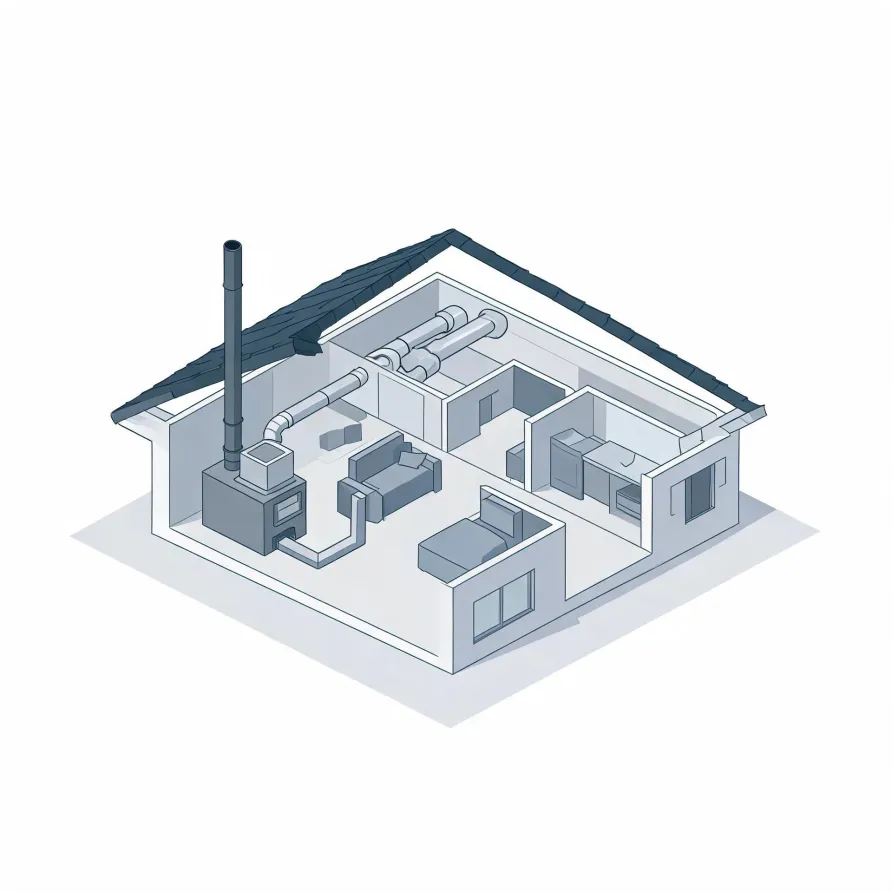
The furnace itself sits in the basement, utility room, or closet and is the heart of the system. Inside it, the heat exchanger is the piece a contractor looks at closely during a repair call. Cracks or corrosion there affect both performance and safety, making it a primary suspect when something is wrong.
The blower motor pushes conditioned air out through the ducts and is a frequent source of failures when airflow drops or stops. The burner assembly and igniter sit inside the furnace cabinet and are what a contractor checks when the unit fails to light or runs short cycles. The flue pipe exits the cabinet and vents combustion gases out of the house.
The drawing shows a general layout of these components, and a licensed contractor determines what applies to your specific system and home.
Find a contractor in Lee CountyLee County, Arkansas, by the numbers
33 severe weather events were recorded in Lee County, Arkansas between 2015 and 2024.
NOAA National Centers for Environmental Information, Storm Events Database, bulk CSV export, events 2015-01-01 through 2024-12-31.Half the homes in Lee County, Arkansas were built in 1973 or earlier (2020-2024 ACS 5-year).
U.S. Census Bureau, 2020-2024 American Community Survey 5-Year EstimatesLee County, Arkansas holds 3,694 housing units (2020-2024 ACS 5-year).
U.S. Census Bureau, 2020-2024 American Community Survey 5-Year EstimatesOwners occupy 59.0% of the occupied homes in Lee County, Arkansas (2020-2024 ACS 5-year).
U.S. Census Bureau, 2020-2024 American Community Survey 5-Year EstimatesCodes & Standards Covering Furnace Repair in Lee County, Arkansas6 sourced rules and standards
What HVAC Repair Looks Like in Lee County
Non-weatherized gas furnaces manufactured on or after November 19, 2015 must reach 80.0 percent AFUE.
Non-weatherized oil-fired furnaces manufactured on or after November 19, 2015 must reach 83.0 percent AFUE.
Mobile home gas furnaces manufactured on or after November 19, 2015 must reach 80.0 percent AFUE.
Non-weatherized gas furnaces manufactured on or after December 18, 2028 must reach 95.0 percent AFUE, up from the 80.0 percent minimum that applies to units manufactured before that date.
Licensing Rules for HVAC Repair in Lee County, Arkansas
An Arkansas HVACR licence is good across the state: no city or county may require its own licence to do HVACR work, though local permits and inspections still apply.
Arkansas requires an HVACR licence or registration: it is unlawful to do HVACR work without the appropriate one unless the chapter exempts you.
Severe Weather Events in Lee County
Weather puts real stress on heating equipment. Hard conditions shorten the life of components and drive up repair frequency, which makes the local weather record a practical reference for any homeowner thinking about furnace reliability in Lee County.
33 severe weather events, 2015–2024. Source: NOAA National Centers for Environmental Information, Storm Events Database.