Tell us about the job
Takes about a minute. No obligation.
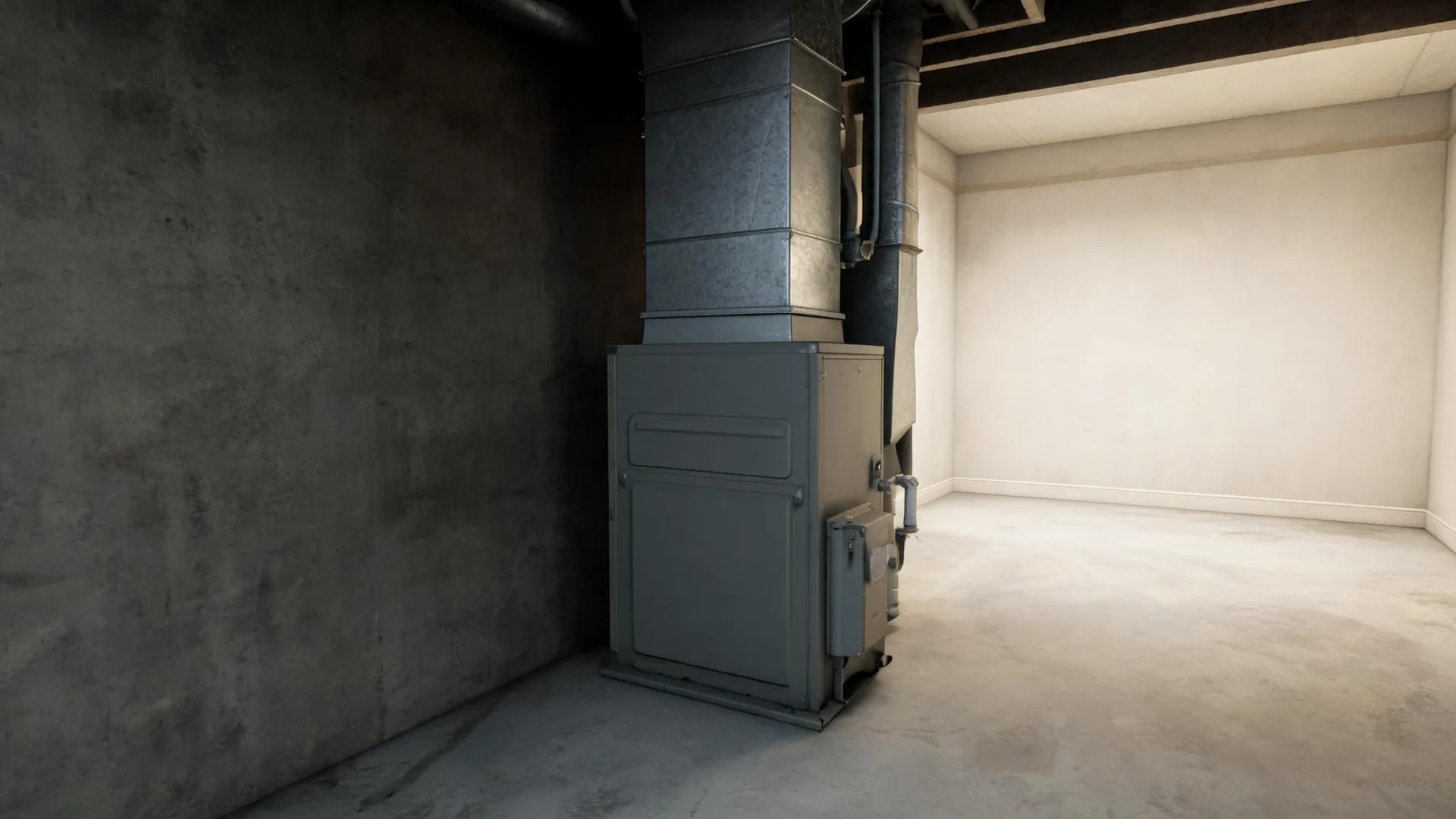
A furnace repair quote in Ouachita County starts with the components that actually cycle: the burner, the heat exchanger, and the ignition system. Homes in Ouachita County, AR run heat about five months a year, from November through March. Those parts absorb the full weight of every heating season, and by the time a furnace needs a service call, they carry a history the contractor reads in cracked exchanger walls, worn igniter tips, and burner ports that no longer seat cleanly. A unit that ran a shorter season might show the same fault on paper but a different root cause in the metal.
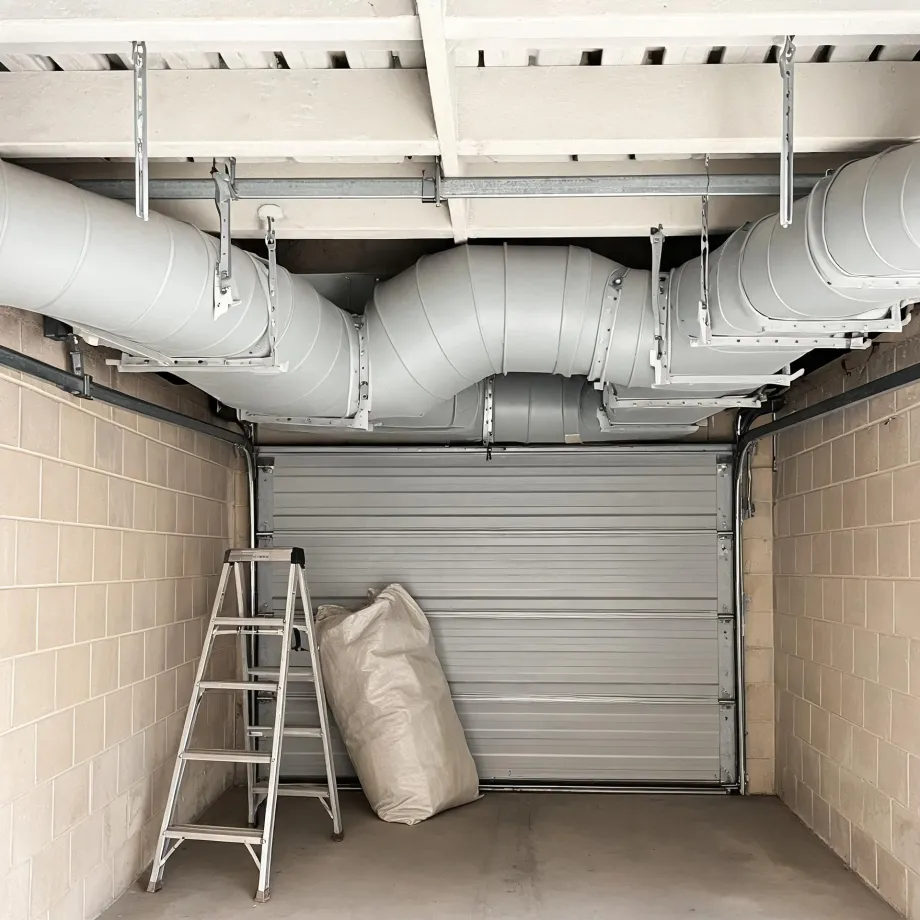
Ductwork in a house this old was sized and routed for whatever heating system came with it originally, and the furnace running in it now is almost certainly not that system. Half the homes in Ouachita County, Arkansas were built in 1974 or earlier (2020-2024 ACS 5-year). When a contractor opens a furnace here, what matters is what that specific unit turns out to contain: whether the heat exchanger shows fatigue cracking, whether the limit switch is a part a distributor still carries, whether the burner assembly is something a current technician can source inside a reasonable timeline. Parts availability is the variable that separates a repair from a replacement conversation in stock like this.
The Parts of a Furnace a Contractor Checks First
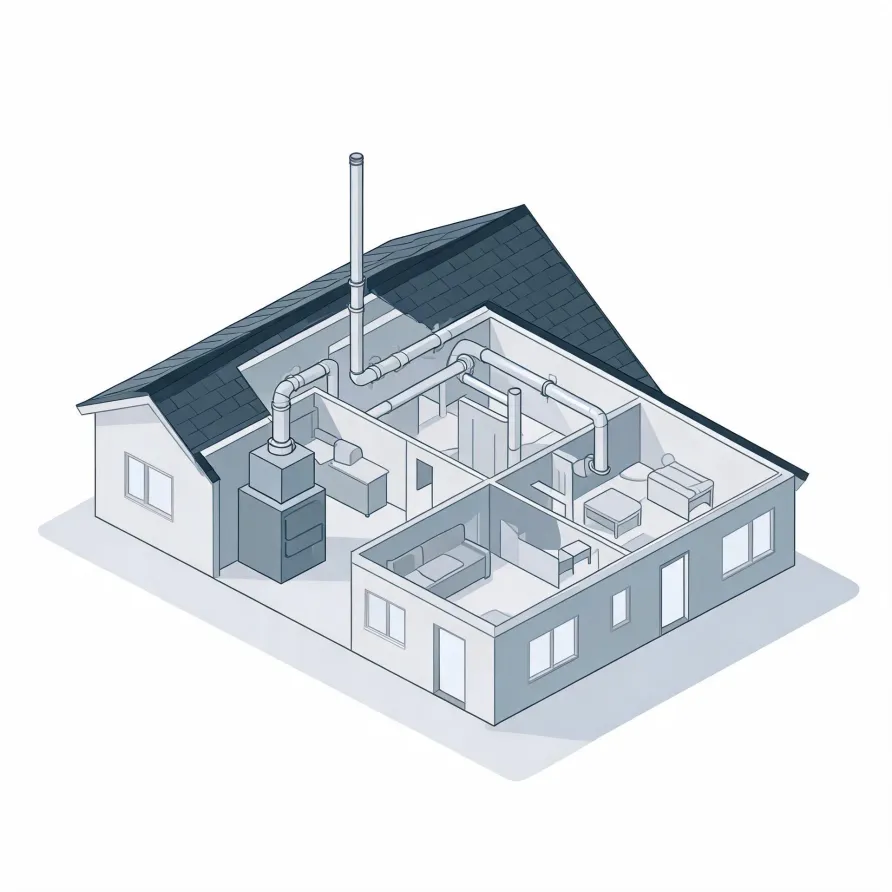
The furnace itself sits in a utility space, basement, or closet and is the piece a contractor goes to first. Inside it, the heat exchanger is the part that warms the air, and a crack or breach there is what drives a shutdown. The burners, igniter, and flame sensor all live inside the cabinet and are the usual starting points when a furnace fails to light or runs short cycles.
The blower motor sits at the base of the cabinet and pushes conditioned air out to the rest of the house. Alongside it, the flue pipe runs from the furnace to an exterior wall or roof and carries combustion gases out. The thermostat on the interior wall is where a contractor checks whether a problem originates in the controls rather than the equipment itself.
The drawing shows the general layout of a furnace system, and a licensed contractor determines which parts apply to your specific house and what work those parts need.
Find a contractor in Ouachita CountyOuachita County, by the numbers
62 severe weather events were recorded in Ouachita County, Arkansas between 2015 and 2024.
NOAA National Centers for Environmental Information, Storm Events Database, bulk CSV export, events 2015-01-01 through 2024-12-31.Half the homes in Ouachita County, Arkansas were built in 1974 or earlier (2020-2024 ACS 5-year).
U.S. Census Bureau, 2020-2024 American Community Survey 5-Year EstimatesOuachita County, Arkansas holds 11,869 housing units (2020-2024 ACS 5-year).
U.S. Census Bureau, 2020-2024 American Community Survey 5-Year EstimatesOwners occupy 70.9% of the occupied homes in Ouachita County, Arkansas (2020-2024 ACS 5-year).
U.S. Census Bureau, 2020-2024 American Community Survey 5-Year EstimatesCodes & Standards for Furnace Repair in Ouachita County, Arkansas6 rules & references
What HVAC Repair Looks Like in Ouachita County
Non-weatherized gas furnaces manufactured on or after November 19, 2015 must reach 80.0 percent AFUE.
Non-weatherized oil-fired furnaces manufactured on or after November 19, 2015 must reach 83.0 percent AFUE.
Mobile home gas furnaces manufactured on or after November 19, 2015 must reach 80.0 percent AFUE.
Non-weatherized gas furnaces manufactured on or after December 18, 2028 must reach 95.0 percent AFUE, up from the 80.0 percent minimum that applies to units manufactured before that date.
Licensing and Legal Requirements in Ouachita County, Arkansas
An Arkansas HVACR licence is good across the state: no city or county may require its own licence to do HVACR work, though local permits and inspections still apply.
Arkansas requires an HVACR licence or registration: it is unlawful to do HVACR work without the appropriate one unless the chapter exempts you.
Severe Weather Events in Ouachita County
Extreme weather puts real stress on furnace equipment, pushing it to run harder and longer than average conditions demand. How much of that pressure your system faces depends on what the local climate actually delivers.
62 severe weather events, 2015–2024. Source: NOAA National Centers for Environmental Information, Storm Events Database.